

What Happens If Your Roof Leaks After Solar Installation? What Should You Do?
What Homeowners in Missouri and Illinois Need to Know About Roofing, Solar Panels, and Leak Risks
One of the most common concerns homeowners have before installing solar panels is simple but important:
What happens if my roof starts leaking after solar installation?
It’s a reasonable question. After all, solar panels are mounted directly onto your roof, and most homeowners want reassurance that their investment won’t create future problems.
The good news is that a properly installed solar energy system should not cause roof leaks on a healthy roof. Modern solar mounting systems are designed with waterproofing and weather protection in mind. However, like any roofing project, problems can occur if the roof is already compromised, installation practices are poor, or contractors fail to evaluate the roof before work begins.
For homeowners throughout Missouri and Illinois, where severe weather, hailstorms, and seasonal temperature changes are common, understanding how solar and roofing work together is essential for protecting your home and maximizing your investment.
Can Solar Panels Cause Roof Leaks?
Technically, yes—but not because of the solar panels themselves.
Solar panels do not inherently create leaks. The issue typically stems from installation errors, pre-existing roof conditions, or damage that occurs after installation.
The most common causes of roof leaks associated with solar installations include:
- Improper installation practices
- Incorrect flashing techniques
- Poorly sealed roof penetrations
- Existing roof damage
- Aging shingles or roofing materials
- Storm-related damage after installation
When solar systems are installed by experienced professionals who understand both roofing and solar construction, leak risks are extremely low.
How Solar Panels Attach to the Roof
To understand where leak concerns come from, it helps to know how solar systems are mounted.
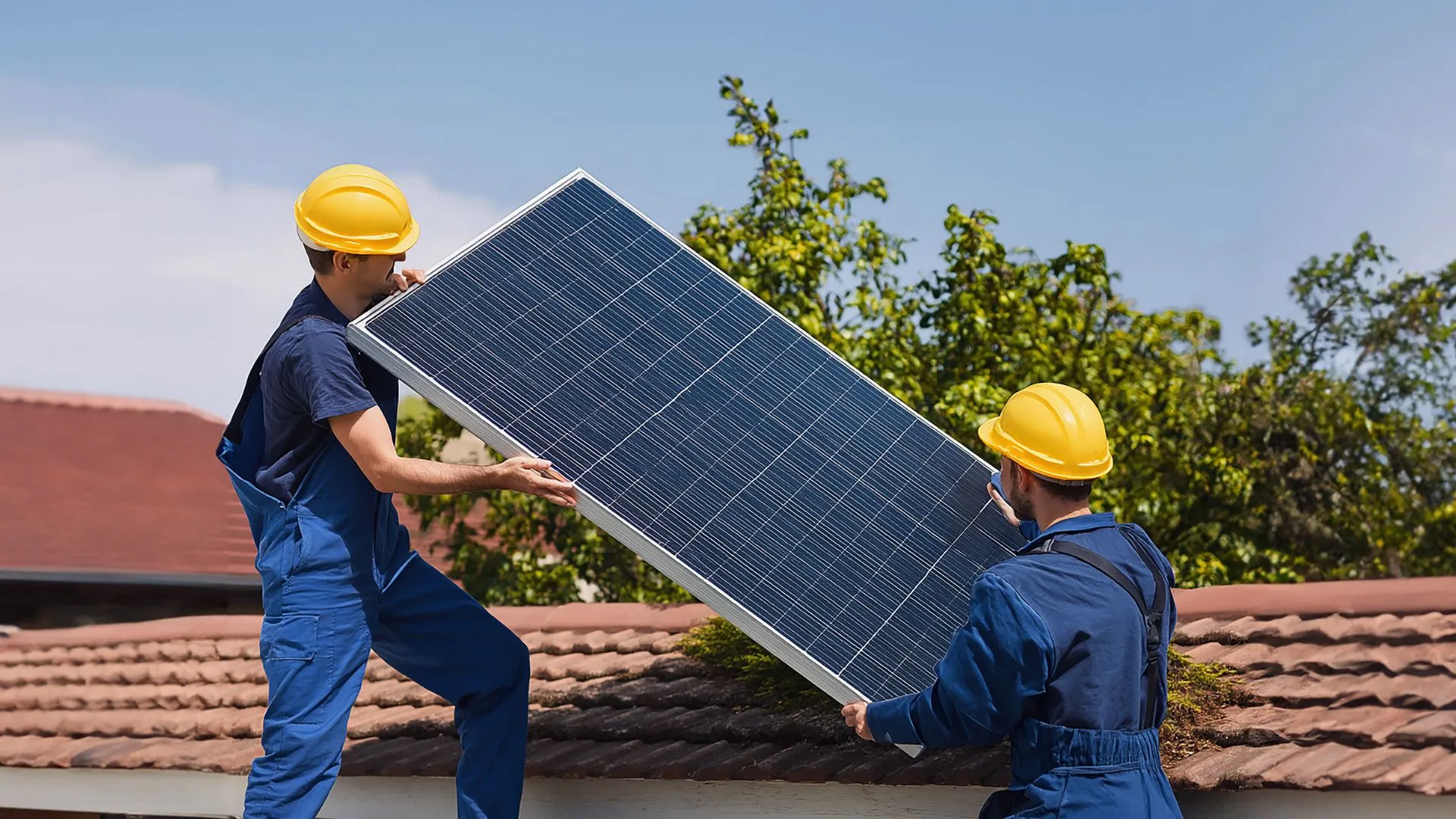
Most residential solar installations use specialized mounting hardware attached directly to the structural framing beneath the roofing materials.
The installation process generally includes:
- Locating roof rafters or trusses
- Creating structural attachment points
- Installing waterproof flashing systems
- Applying specialized sealants
- Mounting rails and solar panels
These mounting points must remain watertight for the life of the system. When installed correctly, flashing and waterproof barriers direct water away from penetrations and prevent moisture intrusion.
The problem occurs when shortcuts are taken or roofing conditions are overlooked.
Common Causes of Roof Leaks After Solar Installation
1. Installing Solar on an Aging Roof
One of the biggest mistakes homeowners make is installing solar panels on a roof that is already nearing the end of its lifespan.
Solar systems typically last 25 to 30 years. If your roof only has five to ten years of life remaining, problems may develop long before the solar system reaches the end of its useful life.
Common issues with aging roofs include:
- Cracked shingles
- Curling roofing materials
- Worn flashing
- Soft decking
- Existing moisture damage
Even if the solar installation is flawless, an old roof can still develop leaks later.
This is why many roofing and solar professionals recommend evaluating roof condition before moving forward with installation.
2. Improper Flashing Installation
Flashing is one of the most critical components of a leak-free solar installation.
Flashing consists of metal barriers designed to divert water away from roof penetrations and mounting points.
When flashing is installed improperly, water can seep beneath shingles and eventually enter the home.
Poor flashing installation can result from:
- Inexperienced installers
- Incorrect flashing products
- Improper placement
- Failure to follow manufacturer specifications
Over time, even a small flashing issue can lead to significant water intrusion and costly repairs.
3. Poor Roof Penetration Sealing
Solar mounting systems require roof penetrations to secure the hardware.
Every penetration must be properly sealed and waterproofed.
If sealants are applied incorrectly or deteriorate prematurely, water can enter around mounting points. While modern sealants are highly durable, poor workmanship remains one of the leading causes of leak-related issues.
Professional installation and quality materials significantly reduce this risk.
4. Storm Damage After Installation
Missouri and Illinois homeowners know that severe weather is part of life.
Heavy rain, hailstorms, high winds, and freezing temperatures can impact both roofing systems and solar equipment over time.
Storm-related issues may include:
- Damaged shingles
- Lifted flashing
- Cracked roofing materials
- Impact damage from hail
- Structural movement from wind events
In many cases, the solar system itself is not the cause of the leak. Instead, weather damage affects roofing components surrounding the installation.
Regular inspections can help identify these issues before they become major problems.
What Should You Do If You Notice a Roof Leak?
If you discover signs of a roof leak after solar installation, acting quickly is essential.
Common warning signs include:
- Water stains on ceilings
- Dripping water during storms
- Mold or mildew growth
- Musty odors in the attic
- Bubbling or peeling paint
- Wet insulation
Ignoring these signs can allow moisture damage to spread throughout the home.
The first step is to document the issue with photos and contact both your roofing contractor and solar installer. A professional inspection can determine whether the leak is related to the roofing system, the solar installation, or another cause entirely.
Who Is Responsible for Roof Leak Repairs?
Determining responsibility depends on several factors.
Potential considerations include:
- Age of the roof before installation
- Quality of installation work
- Warranty coverage
- Contractor agreements
- Cause of the leak
- Storm-related damage
If the leak is caused by improper solar installation, the solar contractor may be responsible for repairs. If the issue stems from pre-existing roof problems or weather-related damage, responsibility may fall elsewhere.
This is why homeowners should carefully review warranty documentation and installation contracts before proceeding with a solar project.
Why Roofing and Solar Coordination Matters
Many leak-related problems occur because roofing contractors and solar installers operate independently.
A roofing company may not fully understand solar mounting requirements, while some solar installers may lack extensive roofing expertise.
This disconnect can create challenges when:
- Evaluating roof condition
- Planning future roof replacements
- Addressing warranty coverage
- Managing repairs
Today, many Midwest homeowners prefer companies that understand both roofing and solar systems because coordinated planning reduces risks and improves long-term performance.
Why Roof Inspections Matter Before Solar Installation
A professional roof inspection is one of the most important steps before installing solar panels.
An inspection can identify:
- Existing leaks
- Hidden moisture damage
- Weak roof decking
- Structural concerns
- Damaged flashing
- Remaining roof lifespan
Addressing these issues beforehand helps prevent future complications and protects your solar investment.
For many homeowners, replacing an aging roof before solar installation can actually save money over the long term.
What Is a Detach and Reset?
If your roof eventually requires replacement after solar installation, the solar panels usually need to be temporarily removed.
This process is known as a detach and reset.
The procedure generally includes:
- Removing solar panels and mounting equipment
- Performing roofing work
- Reinstalling the solar system
- Testing and reconnecting the equipment
Detach and reset services add additional costs that many homeowners do not anticipate.
Installing solar on a roof with substantial remaining life helps minimize the likelihood of needing this service prematurely.
Common Mistakes Homeowners Make
Several preventable mistakes can increase the likelihood of roof-related issues after solar installation.
These include:
Choosing the Cheapest Installer
Lower-cost providers may cut corners on inspections, flashing, or waterproofing.
Skipping the Roof Inspection
Failing to evaluate roof condition before installation can lead to expensive surprises later.
Ignoring Warranty Details
Understanding both roofing and solar warranties is critical for protecting your investment.
Assuming Contractors Automatically Coordinate
Roofing and solar professionals should communicate clearly throughout the project to ensure compatibility and long-term performance.
Review From a Midwest Homeowner
“We originally worried that solar installation might damage our roof, but after learning how important roof inspections and flashing installation were, we felt much more comfortable. The inspection gave us confidence, and now we’re enjoying lower energy bills without worrying about roof problems.”
This experience reflects what many homeowners discover once they understand the importance of proper planning and installation.
Frequently Asked Questions
Can solar panels cause roof leaks?
Improper installation can create leak risks, but properly installed solar systems should remain watertight and secure for decades.
Should I replace my roof before installing solar?
If your roof is aging, damaged, or nearing the end of its lifespan, replacing it before solar installation can help avoid future detach-and-reset costs.
How long do solar mounting systems last?
Most mounting systems are designed to last as long as the solar panels themselves—typically 25 to 30 years or more.
Can hail damage cause roof leaks around solar panels?
Severe hailstorms can damage roofing materials and flashing. Regular inspections after major storms can help identify problems early.
Final Thoughts
Most roof leak concerns associated with solar installation are preventable. The key is evaluating roof condition before installation, using experienced professionals, and ensuring proper coordination between roofing and solar work.
When homeowners take the time to plan carefully, solar panels can provide decades of clean energy without compromising roof performance. A quality installation protects both your home and your investment while delivering the long-term savings that make solar so attractive.
Schedule Your Roof and Solar Evaluation Today
If you’re considering solar panels or want to ensure your roof is ready for installation, Sunsent Solar and Roofing can help. Their team combines roofing expertise with solar knowledge to create systems that are efficient, durable, and built to withstand Midwest weather conditions.
Contact Sunsent Solar and Roofing today at 636-757-3083 to schedule your roof and solar evaluation and discover how proper planning can protect your home while maximizing your energy savings.
Ready to See What You Could Save?
Get a free, no-obligation solar quote or schedule a roof inspection with SunSent’s in-house team — no subcontractors, ever.
Comments are closed